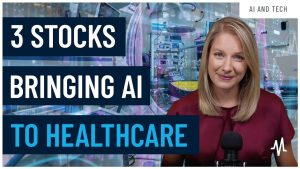



In a rapidly evolving landscape of healthcare technology,the integration of artificial intelligence (AI) is poised to revolutionize patient care. Dr. Sundhu Janeia, a hematologist and medical oncologist, emphasizes that current AI solutions are often limited to automating administrative tasks, which while beneficial, fall short of their transformative potential. In a recent episode of her podcast, she highlighted a significant shift towards equipping healthcare providers with vital details precisely when needed, ultimately enhancing the quality of care for patients. Joining her in this discussion is David Norris, an expert who sheds light on the complexities surrounding lab results and the overwhelming administrative burdens faced by healthcare providers. Together, they explore how AI can not only streamline processes but also proactively identify health issues that often go unnoticed in a reactive healthcare system. As they delve into the intricacies of lab interpretation and the nuances of patient care, the conversation reveals the untapped possibilities of AI to change the way we approach healthcare, making it more anticipatory and inclusive.
Enhancing Patient Care Through AI Empowerment
The integration of AI technologies can lead to remarkable enhancements in patient management strategies. As a notable example, AI algorithms can analyze vast datasets to predict patient outcomes, enabling healthcare providers to make informed decisions faster. This capability helps prioritize treatment for patients at higher risk, ensuring that critical care resources are properly allocated. Additionally, tools that utilize AI for natural language processing can definitely help decipher complex medical data and interactions, translating them into actionable insights that caregivers can act upon promptly, thereby reducing the chance of miscommunication and errors.
Moreover, the capability of AI to streamline workflows goes beyond simple automation. By learning from past patient records and ongoing treatment protocols, AI systems can suggest personalized care plans that take into account patient preferences, history, and the latest research. This form of tailored care may include
- real-time alerts for abnormal lab results
- identifying drug interactions
- providing reminders for follow-up appointments
which directly contribute to improved adherence to treatment regimens. Integrating such sophisticated AI tools can ultimately empower healthcare professionals, allowing them to devote more time to direct patient interactions, which enhances both the patient experience and overall health outcomes.
Bridging the Gap: Understanding Lab Results in Context
Interpreting lab results can often be a daunting task for healthcare providers, especially when faced with a high volume of data. Advanced AI solutions can alleviate this challenge by providing context that enhances the understanding of these results. By incorporating patient-specific history, demographics, and comorbidities into the analysis, AI systems can deliver more personalized insights. This added layer of interpretation not only aids in identifying potential health issues earlier but also supports doctors in discerning between clinically significant findings and benign variations. Such context-driven approaches enable physicians to make more informed decisions, leading to tailored treatment strategies that are more aligned with individual patient needs.
The power of AI in contextualizing lab results extends to generating predictive analytics that highlight potential future health risks. With the ability to process and learn from extensive datasets, these systems can forecast outcomes based on current trends seen in lab values. This proactive stance assists physicians in the following ways:
- Prioritizing follow-ups based on predicted deterioration
- Utilizing algorithms to highlight anomalies that require immediate attention
- Streamlining communication around test results, enhancing clarity for both providers and patients
By integrating predictive capabilities, AI not only helps in organismal management but also fosters a culture of proactive healthcare, ultimately improving intervention effectiveness and patient outcomes.
The Burden of Documentation: Streamlining Administrative Processes
Administrative tasks pose a significant challenge in healthcare, often detracting from the time doctors can spend with patients. Implementing AI solutions can revolutionize how these tasks are handled by centralizing data and automating routine processes. With smart systems designed to manage documentation, healthcare providers can focus on critical clinical decisions rather than paperwork. These systems can effectively:
- Automate appointment scheduling
- Generate billing information automatically
- Streamline the collection of patient records
By reducing the weight of administrative duties, AI empowers clinicians to allocate their attention where it’s truly needed, which is essential for improving patient care.
Moreover, AI tools can intelligently prioritize tasks based on urgency, reducing the mental load on healthcare workers. These sophisticated systems analyze workflow patterns and provide actionable insights, allowing staff to address the most pressing concerns first. For instance, by flagging overdue follow-ups or identifying required documentation for regulatory compliance, AI can facilitate a smoother operational flow. This can lead to increased efficiency and a notable reduction in burnout among medical professionals,demonstrating how modern technology can not only enhance operational processes but also foster a healthier work environment. By addressing administrative inefficiencies, AI stands to take a massive burden off the shoulders of healthcare providers, giving them the space to deliver compassionate and personalized patient care.
Preventative Insights: How AI Can Detect Subtle Health Issues
The role of artificial intelligence in healthcare is expanding beyond the scope of conventional data processing, paving the way to uncover subtle health issues that might otherwise remain undetected. AI systems can analyze various forms of data, including electronic health records, genetic profiles, and even social determinants of health, to provide complete assessments of individual patient risks. By employing advanced machine learning techniques, these systems are capable of identifying patterns that suggest early warning signs of chronic conditions or potential emergencies. This ability enables healthcare providers to intervene preemptively, notably improving outcomes for patients who may not exhibit overt symptoms yet face significant health challenges.Specific advantages offered by AI include:
- Continuous monitoring of vital signs triggering alerts for unusual changes
- Analysis of historical data for anticipating future complications
- Integration of lifestyle factors to refine risk assessments tailored to specific populations
Moreover, implementing AI-enabled assessments can reshape preventive care strategies by leveraging vast databases and predictive analytics. These systems can identify at-risk groups, enabling healthcare providers to focus on preventive measures rather than solely reactive care. As a notable example, AI tools can prioritize screenings or wellness checks based on identified risk factors, ensuring that resources are allocated effectively. By shifting the paradigm to a more preventative model, healthcare providers can substantially improve population health management and drive down overall healthcare costs while enhancing the quality of care delivered. The collaboration between AI technology and healthcare professionals stands to fundamentally transform how early interventions are approached in clinical practice.